The finance minister also highlighted Egypt’s economic progress as a model for resilience and inclusive growth.

Minister of Finance, Ahmed Kouchouk, has called on BRICS nations to take a more prominent role in supporting emerging markets and addressing the global debt crisis, especially for middle-income countries.
The finance minister also highlighted Egypt’s economic progress as a model for resilience and inclusive growth.
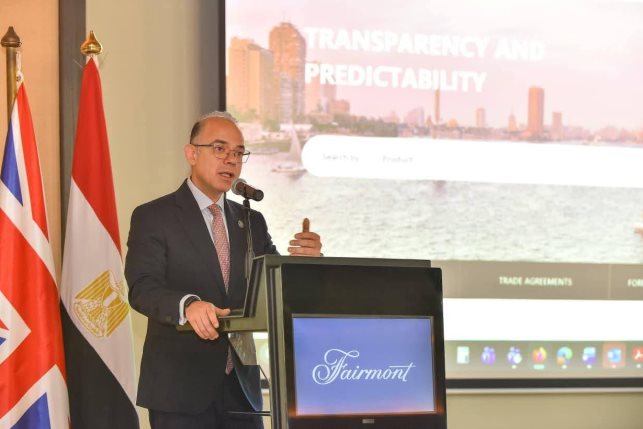
Speaking at the Meeting of Finance Ministers and Central Bank Governors of BRICS Countries in Brazil, Kouchouk emphasized the need for innovative, inclusive financial solutions to ensure sustainable development across the Global South.
“We look forward to a clear and active role for BRICS in supporting emerging economies as they face global challenges,” said Kouchouk, stressing that unilateral measures undermine trust in the global economic system and obstruct much-needed development financing.
Kouchouk urged BRICS members to advance diverse financing tools, including debt-for-investment swap initiatives, to help alleviate pressure on developing countries and redirect capital toward productive investments. He added that it is time for BRICS to collaborate with other global stakeholders to promote a more balanced and fair economic order.
Egypt’s Reform Model and Growth Momentum
Highlighting Egypt’s economic progress, Kouchouk pointed to strong private sector performance and a surge in private investment inflows as key drivers of the country's high growth rates.
“We’ve implemented tax facilitation measures that led to a 35% increase in tax revenues—without imposing new burdens,” Kouchouk said, underscoring Egypt’s commitment to fiscal discipline and economic reform.
He noted significant opportunities for BRICS–Egypt cooperation in strategic sectors such as agriculture, manufacturing, and healthcare, all of which are critical for food and health security across developing regions.
In a broader appeal for global economic reform, Kouchouk emphasized the importance of reinforcing economic multilateralism to promote inclusive and sustainable global growth. He argued that emerging markets have been disproportionately impacted by rising tariffs and global uncertainty, calling for enhanced South-South cooperation to mitigate these effects.
The finance minister also called for affordable and accessible climate finance, reiterating Egypt’s support for building a fairer international tax system through the United Nations tax convention.
Additionally, he encouraged the exploration of flexible financial tools to support infrastructure, renewable energy, and digital development. He praised the newly launched BRICS investment platform, calling it an innovative mechanism to mobilize both private and blended capital for high-impact strategic projects.
“We strongly support building public-private partnerships to accelerate development,” he stated. “Through cooperation, joint capacity-building, and knowledge-sharing, BRICS can enhance collective readiness to confront climate risks and strengthen long-term economic resilience.”