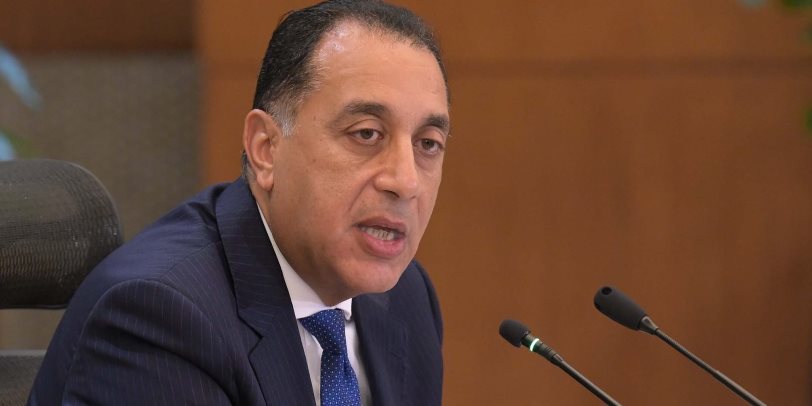
Egyptian Prime Minister Mostafa Madbouly called for urgent international steps to tackle the mounting challenges facing developing countries, warning that worsening poverty, food insecurity, debt, and financing costs threaten progress toward the 2030 Sustainable Development Goals (SDGs).
Speaking during the plenary session of the Fourth UN Conference on Financing for Development (FfD4) in Seville, Madbouly emphasized the need for a “more serious global response” to help avert economic crises that could destabilize the global economy.
Madbouly highlighted Egypt’s national efforts to implement UN recommendations, particularly through its "NWFE" platform, launched in 2022 to mobilize climate-aligned development finance and boost private sector engagement. He said the country has secured around $15.6 billion in concessional financing for the private sector since 2020, with $4 billion allocated to NWFE’s priority green projects. Egypt has also finalized over $900 million in debt swap agreements, some of which directly support NWFE’s implementation.
In his remarks, the Prime Minister put forward three key messages. First, he called for a clear international roadmap to expand access to affordable, concessional finance for developing countries. This includes addressing structural imbalances in the global financial architecture and accelerating reforms of international financial institutions and multilateral development banks. He also urged donor countries to fulfill their financial commitments to global development.
Second, Madbouly stressed the importance of taking concrete, coordinated action to reform the global debt framework. He advocated for innovative, effective mechanisms to manage sovereign debt sustainably and prevent debt distress in vulnerable economies.
Third, he highlighted the need to equip developing countries with the tools required to pursue sustainable development. This includes technical assistance, capacity building, access to advanced technologies, and the responsible integration of artificial intelligence to improve development outcomes.
Madbouly concluded by reaffirming Egypt’s readiness to contribute to a global platform for experience-sharing and technical support, underscoring that achieving sustainable development is a shared global responsibility and a critical pillar of international stability.