This phase of the initiative focuses on supporting the purchase of machinery, equipment, and production lines through long-term financing at a reduced interest rate.
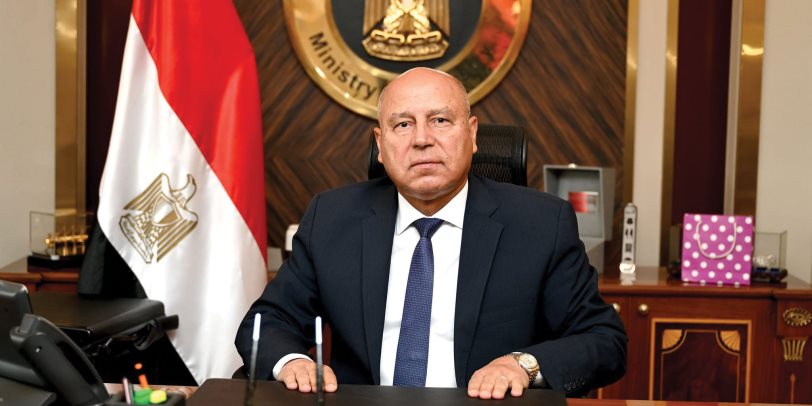
The Ministry of Industry has officially launched the first phase of a national initiative aimed at financing high-priority industrial sectors, with a total budget of EGP 30 billion allocated to the private sector.
The initiative was unveiled during the 14th meeting of the Ministerial Group for Industrial Development and has already received Cabinet approval.
This phase of the initiative focuses on supporting the purchase of machinery, equipment, and production lines through long-term financing at a reduced interest rate.
Investors will benefit from a fixed annual interest rate of 15% over five years, with the Ministry of Finance covering the difference in returns.
In certain cases—such as projects that increase local value-added production, invest in previously non-existent local industries, or replace heavily imported goods—the interest rate could be further reduced by up to 2%.
To qualify for this program, investors must have a valid construction permit, completed facility construction, and either a letter of credit opened for importing equipment or a tax invoice if the equipment was purchased locally.
The Initiative targets a wide range of industrial sectors, with a particular focus on those that offer high value-added potential and localization opportunities.
In the pharmaceutical sector, the focus is on producing active ingredients, particularly for oncology treatments and antibiotics, as well as cosmetics.
The engineering sector includes renewable energy components, solar cell parts, hydrogen systems, and various appliances such as generators, agricultural equipment, and mobile devices.
Food industries targeted include baby formula, medicinal plants, dried fruits, and fruit concentrates. Additional focus sectors include textiles, chemical industries such as inks and polymers, mining for raw materials used in pharmaceuticals and technology, and building materials like ceramics, marble, and pipes.
The Ministry has Invited interested investors to submit applications either at the headquarters of the Industrial Development Authority in Fifth Settlement or at its branches across various governorates.
Applications that meet the eligibility criteria will receive a response within two weeks.
Required documentation includes proof of sector eligibility, a valid construction license, evidence of completed construction and readiness to install equipment, along with detailed cost breakdowns and the applicant’s banking details. Existing facilities must also present a valid operating license and industrial registration.
To ensure equitable distribution and maximum national benefit, priority will be given to projects based in underdeveloped regions or in areas with high labor availability.
The initiative also includes credit limits and duration caps based on the scale of each applicant’s operations.
The Ministry emphasized that this initiative is a key part of the state’s broader vision to boost domestic production and enhance the global competitiveness of Egyptian products.
The Industrial Development Authority will handle application reviews, verify technical compliance, and coordinate directly with participating banks.
Additionally, the Ministry has partnered with the Federation of Egyptian Industries to distribute detailed guidance and documentation procedures to its member companies.
Performance indicators have been put in place to measure the effectiveness of the initiative. These metrics will be used to assess the real economic impact on an annual basis, ensuring the program stays aligned with its national development goals.