“Red Sea disruptions from attacks did not create sustainable alternative route to replace the canal,” said Osama Rabie, chairman of the Suez Canal Authority (SCA), on Wednesday.
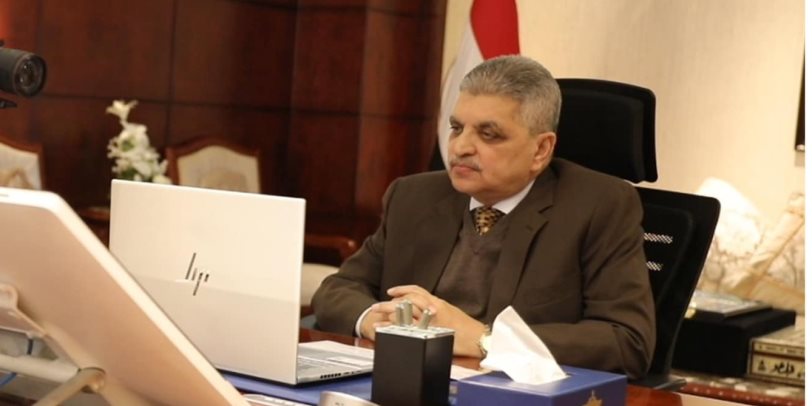
“Red Sea disruptions from attacks did not create sustainable alternative route to replace the canal,” said Osama Rabie, chairman of the Suez Canal Authority (SCA), on Wednesday.
The authority head’s comments refute recent claims by international media outlets that have alluded that the India-Middle East-Europe Economic Corridor (IMEEEC), one of the routes used to bypass the Houthi blockade, is a viable alternative to the Suez Canal.
Rabie firmly stated that the Suez Canal remains the shortest, fastest, and safest link between the east and the west, emphasizing it as a fundamental pillar to maritime trade.
He also pointed out that the Red Sea crisis has not resulted in the creation of a viable alternative route to the Suez Canal, but has underscored the canal’s importance in ensuring the sustainability and stability of global supply chains.
The SCA head met with French President Emmanuel Macron's special envoy for the IMEEEC, Gérard Mestrallet, earlier today to explore potential areas of collaboration.
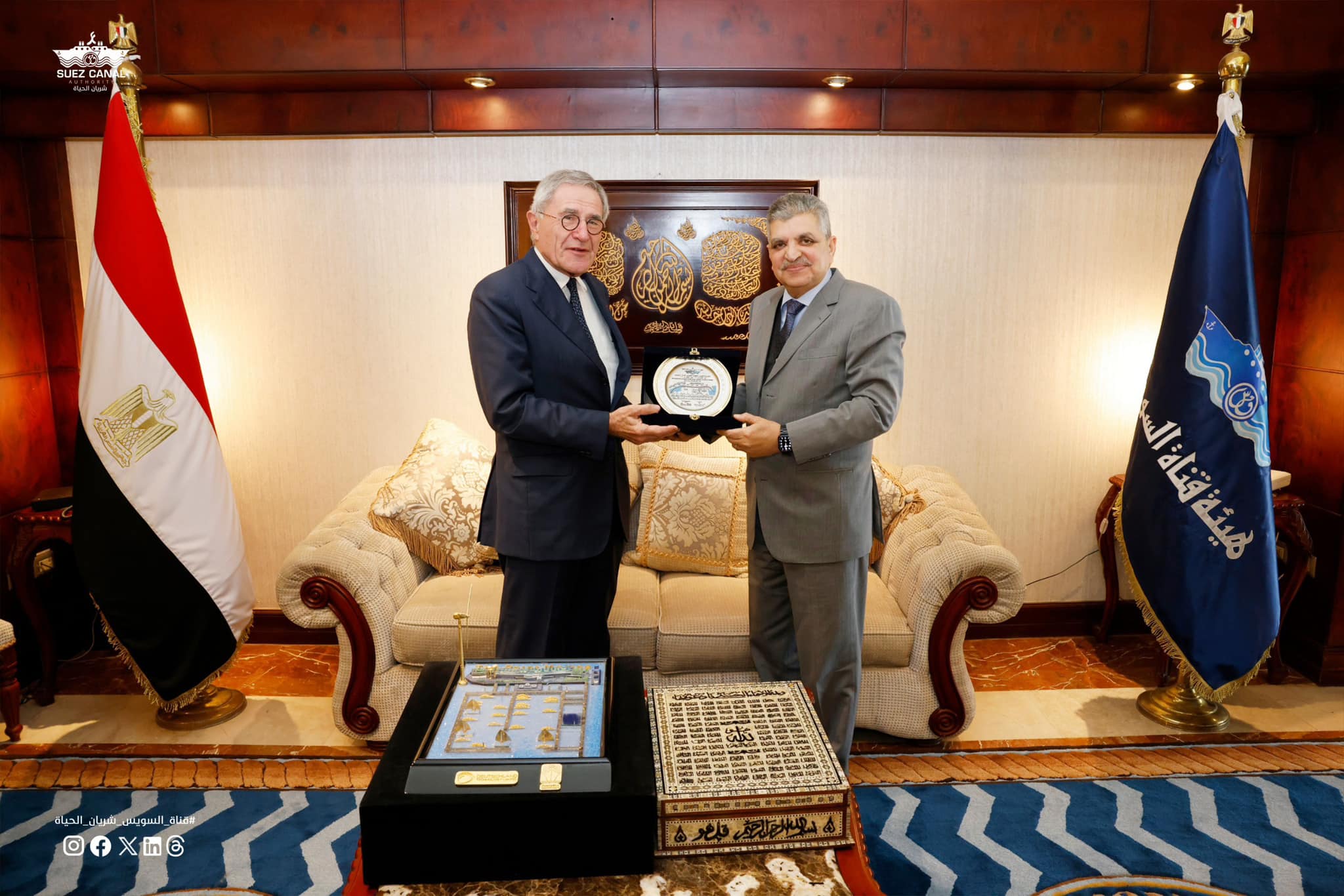
This meeting is part of Mestrallet’s official visit to Cairo, aimed at fostering continued coordination and cooperation between the Suez Canal Authority and the Ministry of Foreign Affairs.
At the start of the meeting, Rabie emphasized the strategic importance of the Suez Canal as the shortest, fastest, and most secure link between the East and West, a key pillar of maritime transport for over 150 years.
The decision by many shipping lines to use the Cape of Good Hope route has led to higher freight rates, increased operational costs, higher insurance premiums, longer journey times, greater fuel consumption, and increased harmful carbon emissions in the marine environment.
He highlighted the growing opportunities for optimizing the use of the canal, thanks to Egypt's ambitious and comprehensive development strategy, which includes improving the canal’s navigation path and surrounding industrial and logistical zones to take full advantage of its unique geographic location at the heart of the world.
Rabie noted that the Suez Canal has successfully balanced the needs of its clients by providing time and cost-saving solutions, as well as the necessary maritime and logistical services to meet various client requirements, even in challenging conditions.
He emphasized that the Suez Canal is always ready to cooperate with new maritime initiatives aimed at enhancing trade or facilitating logistical operations, as maritime transport continues to dominate global trade.
The Chairman reviewed the efforts made by the Suez Canal Authority to mitigate the effects of the crisis on its clients. This included introducing new services that had not existed previously, as well as implementing flexible marketing and pricing policies, such as freezing transit fees. Additionally, the Authority maintained continuous and effective communication with major shipping lines and freight companies.
Rabie highlighted the many positive indicators pointing toward the return of stability to the region, which has already led to several ships adjusting their routes to transit once again through the Suez Canal.
On his part, Mestrallet, the French President's Special Envoy for IMEEEC, expressed his interest in using his visit to the Suez Canal Authority to explore opportunities for cooperation and discover potential areas for collaboration on various Suez Canal projects.
He clarified that the IMEEEC corridor is not intended to compete with the Suez Canal, as there is a clear distinction between the capacities of the two routes. The new corridor under development will rely on maritime transport in some stages, alongside rail transport.
Mestrallet explained that the aim of his visit was to better understand the Suez Canal’s strategy and the maritime and logistical services it offers. He noted that the routes of the new corridor are still under study, with several alternatives being considered, some of which may involve cooperation with Egypt by transiting through the Suez Canal.
He praised the Suez Canal Authority's efforts in advancing infrastructure projects and improving the quality of services provided to clients.
Mestrallet also commended the Authority’s flexible management of the Red Sea crisis and expressed his hope for the complete return of stability to the region in the near future.