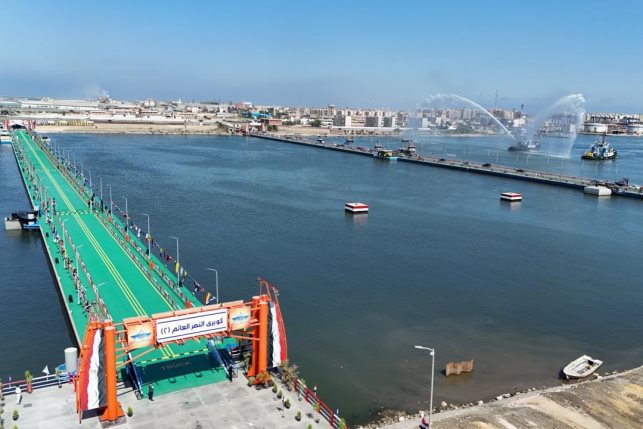
Egypt has emerged as a prominent regional and global player in agricultural production and exports.
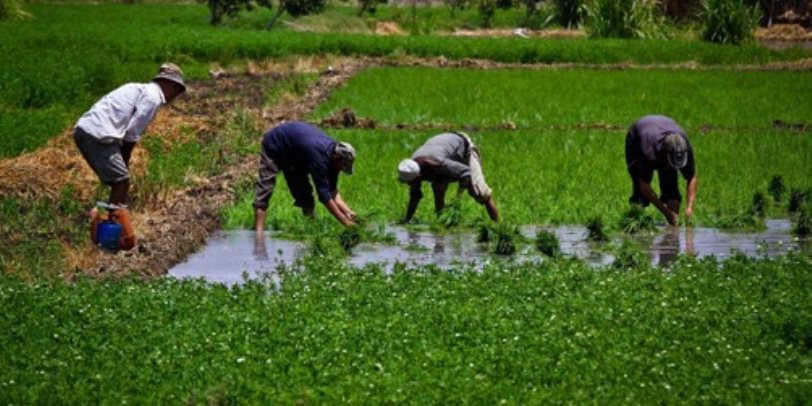 Egypt has emerged as a prominent regional and global player in agricultural production and exports - File Photo
Egypt's agricultural and irrigation sectors have witnessed significant achievements over the past nine years, thanks to the vision of President Abdel Fattah el-Sisi, who aims to develop Egypt's key productive sectors and propel them towards unprecedented horizons.
It is worth noting that the Egyptian agriculture sector had been plagued by numerous problems and obstacles, including the degradation of arable land in the Nile Valley and Delta, population growth, declining productivity, and farmers abandoning agriculture due to its perceived lack of profitability.
These issues posed a significant threat to Egypt's ability to meet its basic food needs. However, the situation has drastically changed. Currently, Egypt is witnessing continuous and upward growth in both the agricultural area and productivity.
This comes after decades and centuries of stagnation and erosion of cultivated land. Moreover, numerous projects have been implemented simultaneously, including the New Delta project, Future of Egypt project, the reclamation of new areas in Sinai, East Owainat, Toshka, and the giant agricultural production project using greenhouses.
The development of the new industrial river in the Western Desert aims to double the agricultural area.
Ayman El-Gamil, Chairman of Cairo3A Group for Agricultural and Industrial Investment, emphasized that the state's focus on unlocking the potential of the agricultural sector, increasing local production, utilizing surpluses for export and foreign currency earnings, activating manufacturing capabilities in the food sector, and promoting food processing industries plays a vital role in boosting market capacity for growth and circulation.
This is achieved by expanding production, trade, attracting more attractive investment opportunities, both domestic and foreign, and establishing comprehensive development foundations across Egypt.
These foundations begin with agricultural regions, fish farming complexes, and animal production, extending to new urban communities, industrial, commercial, and logistical zones.
This vision is being strongly realized, as evident in projects such as the New Alexandria Port, logistics areas in Suez, Port Said, Ain Sokhna, Damietta, Alexandria, Matrouh, and Aswan.
The agricultural production rates have shown remarkable growth, especially concerning strategic crops and essential commodities for citizens. Self-sufficiency rates have increased in most food commodities, and there has been a surge in exports of vegetables, fruits, food concentrates, and processed foods.
Additionally, there has been a decline in imports of many food products, an increase in the attractiveness of agricultural investment for national and foreign capital, and the enhancement of national supply chains and food manufacturing.
Egypt's agricultural sector has experienced a significant transformation, driven by the government's comprehensive vision and strategic initiatives. The focus on increasing production, achieving self-sufficiency, and boosting exports has yielded remarkable results.
Egypt has emerged as a prominent regional and global player in agricultural production and exports, particularly in fresh vegetables, potatoes, onions, garlic, and various fruits.
The success in revitalizing the agricultural sector has not only ensured food security for the population but has also generated new opportunities for domestic and foreign investments, stimulating economic growth and job creation.